Walk into a home with a tired masonry hearth and you can almost hear the question hanging in the air: keep the charm, or make it practical? For a lot of homeowners, an electric fireplace insert lands right on that sweet spot. You get the look of a fire, the warmth where you sit, and none of the soot, fuel deliveries, or pilot lights to fuss with. After installing and servicing dozens of fireplace inserts of every kind, I’ve learned where electric shines, where gas still holds an edge, and how to avoid the gotchas that can sour an otherwise easy upgrade.
What an Electric Insert Actually Is
An electric fireplace insert is a self-contained unit designed to slide into an existing firebox or a purpose-built opening. It creates a flame effect with LEDs or projected light, adds optional heat with a built-in electric heater, and plugs into a standard electrical circuit. Some models mount flush for a clean, built-in look, others include a surround trim to mask the gap around older brick openings. Depths range from slim 6 to 8 inches to more traditional 12 to 14 inches, so you can usually find one that fits without carving into masonry.
Most units deliver two independent things: visuals and heat. The flame effect runs on low wattage and can stay on year-round. The heater is essentially a space heater packaged nicely, typically drawing 12.5 amps on a 120-volt circuit. Output lands around 4,200 to 5,100 BTU, which is enough to take the edge off a living room or bedroom but will not heat a whole house. The better models let you dial flame colors, ember bed intensity, and even crackling sound. Think of it as a design element that also contributes supplemental heat.
Where Electric Wins, and Where It Doesn’t
I’ve put electric fireplace inserts into condos with no venting, basements where gas wasn’t practical, and family rooms that needed a focal point without a chimney. The same handful of benefits rings true across those jobs.
Electric inserts are extremely simple to place. No vent runs, no gas lines, no makeup air considerations in tight homes. In many cases, fireplace installation is a matter of sliding the unit into the opening, plugging in, and adding trim. For older brick chimneys that leak or need major repair, an electric fireplace insert also lets you seal the flue and stop drafts, which can make the room feel warmer even before you turn the heater on.
Maintenance is minimal. No soot, no creosote, no ash. You won’t need a chimney cleaning service for the unit itself, and chimney inspections become a matter of structural peace of mind rather than fuel safety. If the existing chimney is in poor shape and you’re abandoning it for good, you can cap it and log that change for your records.
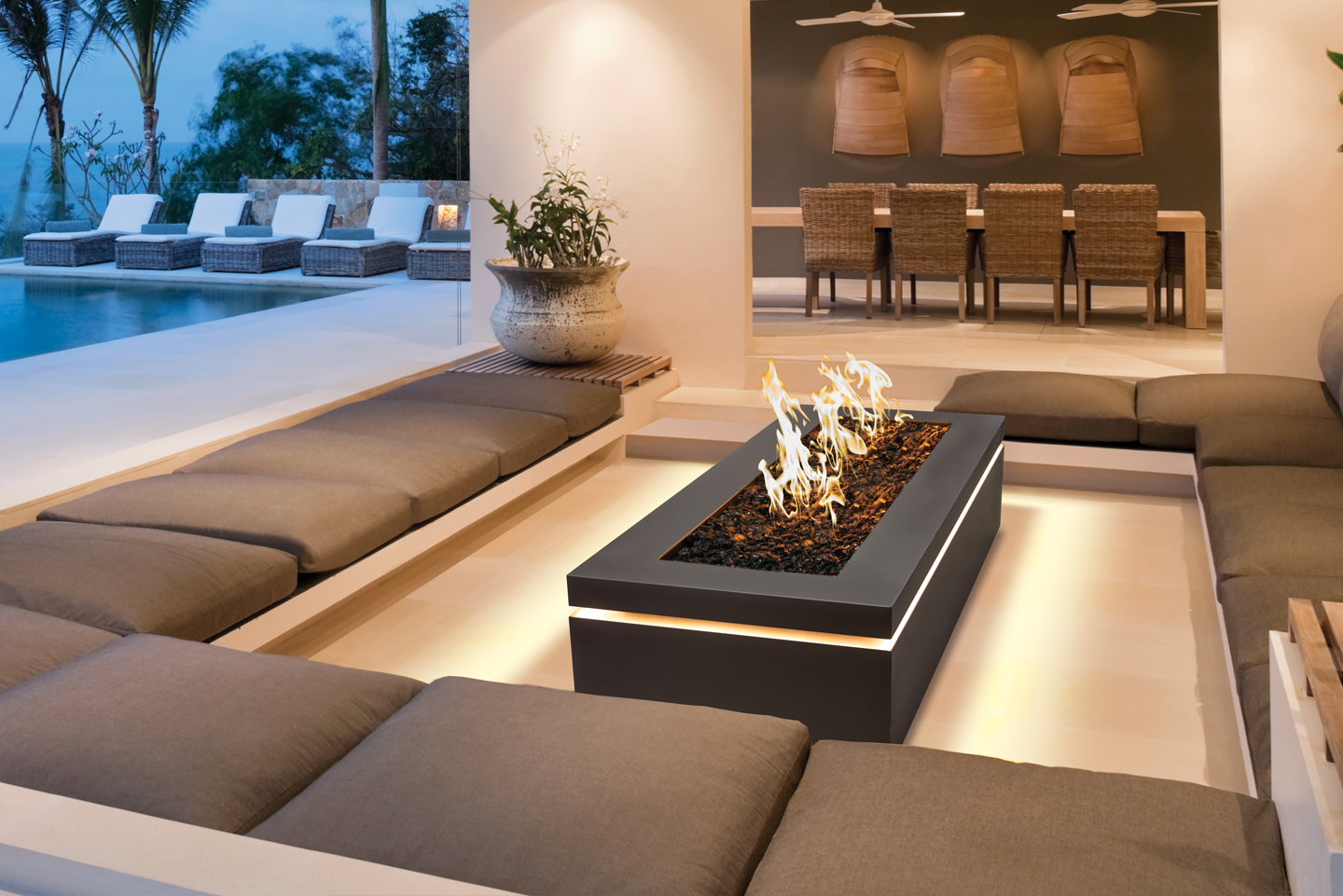
It’s not all upside. If you want a main heat source, electric can’t compete with a properly sized gas fireplace insert. A direct-vent gas unit can deliver 20,000 to 35,000 BTU, enough to heat most of a floor with zoned use. Electric heat output tops out around one sixth of that. The flame realism of high-end gas fireplaces still looks more natural, especially in bright rooms. And if your room already has a strong electrical load on the circuit you plan to use, you might need a dedicated line, which adds cost and complexity to otherwise easy setup.
Electric Versus Gas: Honest Trade-offs
I often get asked to weigh electric fireplace inserts against gas fireplaces because the decision sets the tone for the whole space.
Gas fireplaces and gas fireplace inserts bring real flame, robust heat, and often a sealed combustion system that keeps indoor air quality strong. They require a gas line and venting. If you already have gas and want a high-performance heater with a traditional look, a gas fireplace insert remains hard to beat. In an open living area where people gather on weekends, that extra heat output matters. Plan the project with a licensed fitter and a permit. Factor in ongoing maintenance: annual service, occasional thermocouple or valve replacement, and professional chimney inspections to keep everything safe and efficient.
Electric fireplace inserts win when the home’s infrastructure won’t support gas easily or when your priorities lean toward flexible placement, low maintenance, and ambiance first. They also suit rentals and upstairs installations where running a vent or gas line would be disruptive or cost-prohibitive. If your goal is to zone-heat a small den or bedroom, the built-in electric heater can be exactly enough.
There’s a third option that confuses the terminology: some people say fireplace insert to mean any unit that slides into an existing masonry opening. Electric fireplace inserts and gas fireplace inserts both fit that definition, but they behave differently. Clarify the goal and constraints first, then pick the technology.
Style That Doesn’t Feel Fake
Good design helps the flame effect feel intentional rather than a TV loop. The nicer electric fireplace inserts use multi-layered light, angled mirrors, and ember beds to create depth. You’ll see names like “holographic flame,” “three-dimensional ember,” or “reflective prism.” These aren’t gimmicks so much as different ways to scatter light so the fire looks like it dances.
If you like a modern look, a linear insert with driftwood, crystals, or river stones can read as sleek rather than pretending to be a log fire. For traditional spaces, logs still matter. The heft, color, and bark texture of the faux logs make a bigger difference than you think. Avoid plastic-looking browns. Look for hand-painted, ceramic or resin logs with variation, charring, and a low-gloss finish. When I bring samples to clients, the choice becomes obvious under room lighting.
Trim and depth control the fit. A flush mount with a narrow black steel frame feels built-in and contemporary. A wider surround can hide an uneven masonry opening and cover historic scars from previous grates or doors. If you’re going into a cabinet or media wall, measure the depth and plan wire paths before you order. A quarter inch can make or break a clean fit when you’re working with existing brick.
One more aesthetic piece that often gets overlooked: background. Painting the interior of the old firebox a zero-gloss charcoal or a deep black helps the flame effect float. It also hides chips and mortar variations. If your unit comes with a mirrored back, test it with and without the mirror panel. Some rooms benefit from the extra brightness, others see distracting reflections of lamps.
Efficiency, Costs, and Real Numbers
The word efficient gets overused. Here’s the pragmatic version for electric fireplace inserts.
Every watt of electricity that a resistance heater consumes turns into heat. That’s 100 percent conversion at the point of use. If the heater draws 1,500 watts, you’re putting roughly 5,100 BTU into the room. Your electric utility rate determines cost. At 15 cents per kilowatt-hour, running the heater at full power costs about 22 to 23 cents per hour. Run it three hours on chilly evenings and you’re at 70 cents per night for supplemental heat. Leave the flame-only display on with no heat and usage drops to roughly 30 to 60 watts for most units, pennies per hour.
Compare that to gas. A 30,000 BTU gas fireplace running at half output with an efficiency in the 70 to 85 percent range might burn 10,000 to 15,000 BTU per hour of gas. At a gas price of, say, $1.20 per therm, that’s 12 to 18 cents per hour. In many markets, gas heat remains cheaper for the same BTU delivered. The swing comes when you use an electric fireplace insert to heat only the room you’re in, allowing the central heat to idle back. Zone heating can offset the higher electricity cost, especially in well-insulated homes.
There are indirect efficiency benefits too. If your old masonry chimney used to siphon warm air and you’ve now sealed it and inserted an electric unit, your room may sit several degrees warmer with the same thermostat setting because you eliminated stack effect losses.
Installation, Without the Headaches
A good install looks easy because the planning handled the hard parts. Measure the firebox height, width, and depth at three points each. Old brick openings are rarely square. Measure to the nearest eighth of an inch. Note the height of the hearth and any raised lips along the bottom. Check for old damper hardware that might interfere with depth.
Decide how you’ll get power to the unit. If there is already an outlet inside the firebox, have an electrician verify that it’s on a safe, grounded circuit and not shared with heavy loads like microwaves or space heaters in other rooms. If you need to add an outlet, consider routing a new dedicated line. This keeps the lights from dimming when the heater cycles on and prevents nuisance breaker trips. I prefer to protect the cord in a metal conduit or run the wiring through the side wall rather than across the hearth. Avoid pinched cords in metal frames where vibration could rub the jacket.
Test-fit the insert before painting or installing trim. Slide it in, check clearances, and make sure the surround covers gaps evenly. If the back of the unit sits against brick bumps, use noncombustible shims to keep it square. Once you like the fit, pull it out, clean the firebox, paint if needed, then reinstall. Leave service room for intake and exhaust paths on the unit’s heater section. Many manufacturers specify minimum clearances behind and below the intake. Respect them. Blocking those paths makes the heater noisy and shortens its life.
If you’re abandoning the chimney for good, weather-seal it. Install a top-sealing cap and, if code allows, a throat seal or insulated block-off plate above the insert. This prevents wind-driven drafts and keeps conditioned air down where you want it. Even though electric inserts don’t require routine chimney inspections, it’s still smart to have a one-time structural check. In regions with freeze-thaw cycles, old crowns and liners can crumble over the years. A quick look by a qualified pro, such as a west inspection chimney sweep or similar regional service, can save you from a surprise brick spall later.
Sound, Heat, and the Little Quality-of-Life Details
A quiet fan tells you the manufacturer cared. In showrooms, everything sounds fine because ambient noise https://waylonldcw767.trexgame.net/fireplace-installation-trends-modern-designs-for-cozy-spaces covers mediocre bearings. In a living room at night, a raspy fan ruins the mood. Ask for decibel ratings if available, or read owner feedback with a focus on noise at low speeds. When I field-commission new units, I let them run 30 minutes. If a vibration shows up as the motor warms, I adjust the mounting screws or add a thin isolation strip. Tiny tweaks, big payoff.
Thermostats on electric fireplace inserts vary from “set it anywhere between low and high” to digital setpoints. Digital controls tend to cycle more precisely, which extends the fan’s life and holds a steadier temperature. Remote controls are standard now. Smart home integration exists on some models, but it’s mostly on-off and flame presets rather than deep energy management. If you want to tie the unit into a broader home automation system, confirm compatibility in advance instead of assuming voice control will handle every feature.
Cord length matters. Measure both the insertion depth and the distance to the nearest outlet. Avoid extension cords for permanent installs. If you have no choice during a temporary setup, pick a short, heavy-gauge cord rated for 15 amps and keep it accessible.
Safety and Code Considerations
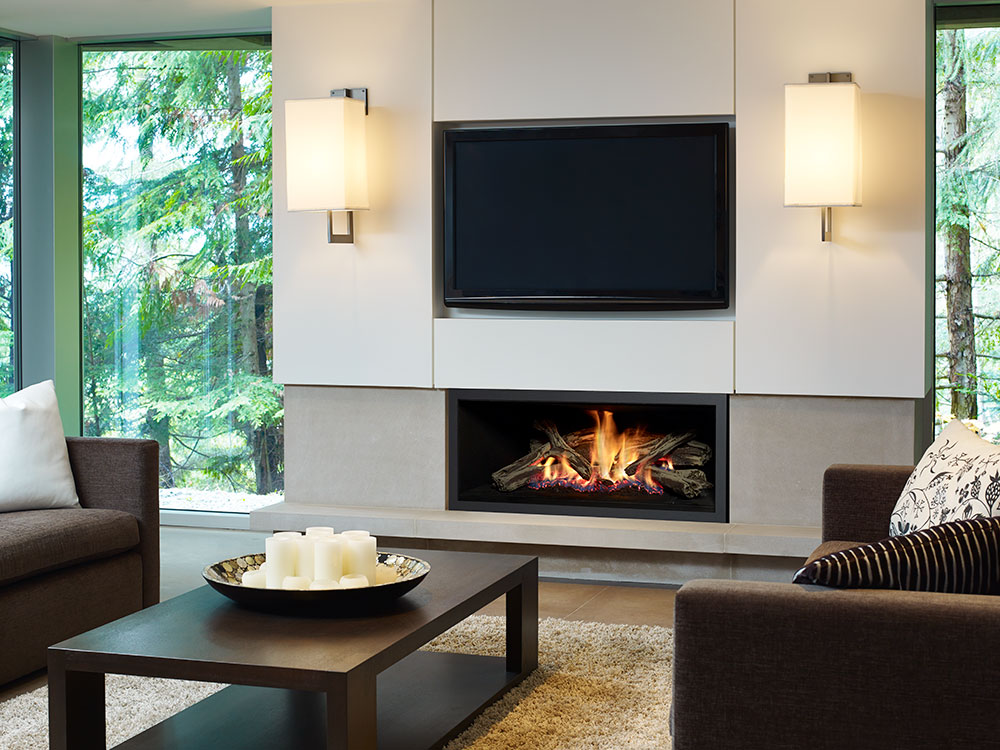
Even simple projects deserve a few safety checks. Keep combustibles away from the front and top grills where heated air exits. Some units specify minimum clearance for mantels or TV placements above. If you plan to mount a television over the fireplace, test the heat plume with a thermometer after the first long run. Temperatures above 90 to 100 degrees Fahrenheit at the TV’s lower edge suggest you need a mantel shield or to drop the insert’s heat setting.
If you’re putting an electric unit into an old firebox that still smells like creosote after rain, clean and seal it. Creosote odors can seep into the room even if you never burn wood again. Have a chimney cleaning service clear out residual soot and install that top cap. With the chimney sealed and an electric insert in place, most odor complaints disappear.
Use a GFCI-protected circuit if the insert sits in a damp basement or near a walkout. Don’t bury junction boxes inside masonry where they become inaccessible. If you’re unsure about the electrical side, bring in a licensed electrician. One hour of professional work costs less than replacing a tripped or overheated circuit.
When Electric Inserts Transform a Space
A few projects stick with me because the before-and-after felt like new construction without the dust. In a 1940s bungalow with a drafty, rarely used stone fireplace, the owners tried space heaters that never seemed to warm the room evenly. We installed a mid-depth electric fireplace insert with a black steel surround, sealed the flue with an insulated plate, and added a top cap. They keep the flame on most evenings with the heater at 750 watts. That gentler setting barely nudges the electric bill, yet the couch area stays comfortable. What changed most wasn’t the heat output, it was the elimination of the cold draft and the visual invite to sit and stay.
Another case, a downtown condo where gas wasn’t an option. The client wanted a long, linear look under a media wall but didn’t want to lose storage. We built a shallow niche, routed a dedicated circuit behind the wall, and set a 60-inch electric unit with clear crystals to echo the city lights. The heater runs only in winter. The rest of the year, the flame effect acts like art. There’s no maintenance schedule beyond a dusting, and no worries about venting or combustible clearances in a tight structure.
Choosing the Right Model
The market has exploded with options, which helps and complicates the process. Before you shop, write down your constraints: opening size, available depth, electrical access, and how much heat you actually want. Then sort models by the following:
- Heat capability that matches the room size and your use pattern. If your living room is 250 to 400 square feet, a 1,500-watt heater can handle shoulder seasons. Bigger rooms may only get a comfort boost, not full warmth. Flame realism and style that fit the space. Try to see the unit in person or at least in multiple videos taken by real owners under room lighting, not studio shots. Noise levels and control features. Look for a quiet fan, multiple heat settings, and a true thermostat if you plan to use heat often. Trim and installation flexibility. Adjustable surrounds, multi-depth options, and service access panels make life easier if you’re working with an irregular firebox. Warranty and parts availability. Motors and control boards are the most common service items. Choose brands that stock replacements and back their warranties with real support.
That short list keeps you focused on day-to-day experience rather than spec-sheet glitter.
What About Inserts in New Builds or Remodels?
Electric fireplace inserts aren’t just for retrofits. In remodels and new builds, they let you place a fireplace where a chimney would be impractical: above-grade additions, interior office nooks, or bedrooms over conditioned space. Framing a simple alcove with proper clearances, wiring a dedicated circuit, and anchoring the unit turns a blank wall into a feature in a single day once the finish work is ready.
Media walls deserve a bit of planning. Keep low-voltage signal cables away from the heater outlet to avoid interference. Include an access panel for future service. If you’re stacking built-ins, think about how the heat plume moves. A shallow mantel or a floating shelf can deflect rising warm air away from a TV, and it gives you a spot for soundbars or décor. When I coordinate with carpenters, we review the manufacturer’s clearances together and mark the framing for future installers. A few pencil lines behind drywall prevent guesswork years later.
Are You Done With the Chimney?
Going electric doesn’t mean you forget the chimney forever, it means you redefine its role. If you’re truly abandoning wood or gas use, do it well. Install a stainless top cap with a screened cover to keep animals out. Consider a crown repair if the mortar is failing. A quick west inspection chimney sweep in the spring can confirm the structure is sound and advise on sealing. Once sealed, your old flue becomes a weather-tight, neutral part of the building rather than a liability. You won’t schedule yearly chimney inspections for combustion safety anymore, but you will have the satisfaction of eliminating a common source of heat loss and moisture ingress.
Budgeting, With Room for Upgrades
Costs vary by brand and finish, but you can plan in realistic ranges. Quality electric fireplace inserts typically run from a few hundred dollars to a couple thousand for large, feature-rich models. Add the surround, possible cabinetry changes, and electrical work. A straightforward install into an existing masonry opening where an outlet already exists can land under a thousand dollars total if you handle the trim. If you need a dedicated circuit, expect a few hundred to over a thousand depending on panel location and wall access. Custom mantels, stone facing, or media wall builds push the project into multi-thousand territory, though the fireplace itself remains the least expensive piece compared with gas or full masonry builds.
The operating costs stay predictable. If you use the heater 2 hours per evening for 100 evenings, you might spend $40 to $60 across a season at typical electricity rates. Flame-only use adds little to your bill. Compare that to the periodic service for gas fireplaces and chimney maintenance for wood systems, and electric’s simplicity can be appealing.
How to Avoid Common Mistakes
The missteps I see tend to be practical rather than catastrophic. People underestimate depth and end up with a unit that sticks proud of the opening. They forget about cord reach and resort to a hidden extension cord that isn’t rated for the load. They place a TV too close to the heater outlet. Or they buy a unit with great showroom flames but a loud fan that drives them crazy.
Slow down at selection and measurement. Test-fit. Run the unit before you button up trim so you can hear it in the actual room. If you plan to rely on the heater frequently, choose a model with a real thermostat and a quiet fan. If it’s mainly about ambiance, pick the most convincing flame effect within budget and keep the heater as a bonus.
Where Pros Still Help
Even though many homeowners install electric fireplace inserts themselves, professionals add value in a few areas. Electricians ensure the circuit is safe, clean, and sized for the load. Carpenters align frames, scribe trim, and make uneven masonry look intentional. If you’re converting from wood or gas, a local chimney cleaning service can prepare and seal the old system properly. And if you’re weighing a gas fireplace insert instead, a qualified installer can size the unit, handle venting, and set up annual service so it warms reliably for years.
When clients ask for a direct comparison in their home, I sometimes stage a temporary electric insert with a blank panel that mimics the final surround. We live with it for a week. If the family uses and enjoys it, we finalize the finish. If they want more heat and a different flame feel, we pivot to a gas fireplace after confirming vent options. Making the call with the room’s feel in mind produces happier long-term outcomes than a spec-driven decision.
The Payoff
A good electric fireplace insert changes how a room gets used. People sit longer, read more, and gather closer even when the heater is off. The aesthetic matters as much as the BTUs, perhaps more in everyday life. That’s why the best projects start with candid goals: Do you want a true heater, or a focal point with comfort? Are you keeping the old hearth’s character, or creating a new look altogether? Once you answer those questions, the technology choice becomes straightforward.
Electric earns its place with style flexibility, low maintenance, and easy setup. Gas holds its ground when heat output and flame realism top the list. If your home’s constraints point you toward electric fireplace inserts, you are not settling. You’re choosing a solution that respects how your space gets used. Install it carefully, seal what needs sealing, power it safely, and pick a design that suits the room in all seasons. The result is a fireplace that turns on as fast as the thought occurs, with no ash bucket waiting afterward.