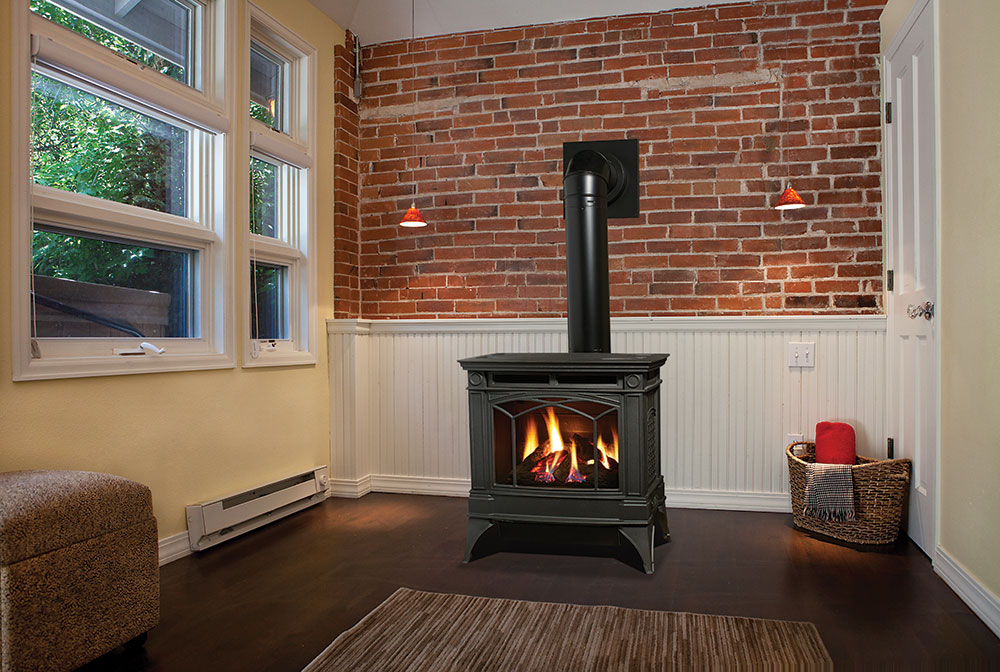
Homeowners often start this decision in the showroom, staring at flames behind glass and wondering why two appliances that look so similar carry different names, installation needs, and price ranges. I’ve spent years on job sites where one choice fit perfectly and the other would have been a headache. The right pick depends less on aesthetics and more on your existing structure, venting path, local codes, and how you plan to use the heat. Let’s walk through the distinctions in plain terms, then get into sizing, venting, safety, and lifetime costs. By the end, you should have enough clarity to talk with a pro and know what to ask during a fireplace installation estimate or during chimney inspections.
What you’re really choosing: new fireplace vs. retrofit
A gas fireplace is a self-contained unit that creates its own firebox and cavity. It does not need an existing masonry fireplace. Think of it as a complete fireplace system designed to be framed into a wall or bump-out with appropriate clearances. These units often include a direct vent system that brings in combustion air from outside and vents exhaust the same way, which means no open room air is consumed.
A gas fireplace insert is a retrofit appliance engineered to slide into an existing, code-compliant wood-burning fireplace. That existing fireplace must have a sound chimney or flue that can be lined. The insert uses the old cavity as its shell, but the combustion chamber and glass front are sealed modern components. It’s a smart way to convert a drafty wood fireplace into a real heater without tearing apart the room.
People sometimes confuse a gas fireplace insert with an electric fireplace insert. They share a word, but they are fundamentally different. Electric fireplace inserts can be installed almost anywhere with an outlet and meet a different set of expectations for heat and realism. If you’re considering electric fireplace inserts as a backup plan, we’ll touch on that later, but the main comparison here stays with gas fireplaces and gas fireplace inserts.
Space, structure, and the limits of your room
The bones of the house usually dictate the best option. If you already have a masonry fireplace that you rarely use because it’s smoky or inefficient, a gas fireplace insert is almost always the least invasive path. The installers use a flexible liner system routed up the chimney, seal the damper, and fit a surround panel to close off the old opening. On day two, most homeowners are already using it.
If your home has no fireplace, your choices narrow. You could build a full masonry chimney to accommodate a traditional wood fireplace, but most people opt for a direct vent gas fireplace framed into a chase. This avoids the weight, space, and cost of a masonry stack and often allows more flexible placement, such as a corner unit or a mid-wall feature. It also performs more consistently, because direct vent systems are engineered as a matched set with the fireplace.
Basements and tight houses demand some caution. In a below-grade room with a short or convoluted vent path, a direct vent gas fireplace often outperforms an insert because you aren’t relying on an old chimney’s draft behavior. In older houses with tall, exterior chimneys, wind and temperature differentials can create a stubborn downdraft. A correctly installed insert with a modern liner usually solves it, but the initial inspection is crucial. If your sweep reports eroded clay tiles, offsets, or wildlife intrusion, budget for remediation. That is where a trusted chimney cleaning service earns its keep and why some shops, like a west inspection chimney sweep in my region, insist on a camera inspection before quoting.
Heat you can feel, not just flames you can see
People buy for ambiance but stay for comfort. Gas fireplaces and inserts range widely in output, commonly from 15,000 to 40,000 BTU per hour for living rooms, with larger units extending beyond that. The question is not, how many BTUs can I get, but rather, how many can I use without overheating the space.
An insert in a modest den might perform best around 20,000 to 28,000 BTU if you want long burn times without cracking windows in January. In an open plan, a 30,000 to 40,000 BTU gas fireplace with a multi-speed fan can comfortably offset a good portion of your central heat. The modern units modulate remarkably well. On many jobs, I’ve seen owners run them at 30 to 50 percent on shoulder days, using the remote thermostat to hold the room at 68 degrees while the main furnace idles.
Heat distribution depends on fan design and ducting options. Some premium gas fireplaces allow a passive or powered heat dump to adjacent rooms, especially bedrooms above. Inserts have fewer ducting options due to space constraints in the existing firebox, but a properly sized fan makes a visible difference. If you live in a power outage prone area, check whether the unit’s ignition and fan can operate on battery backup. Many gas fireplaces will light without power, but the blower will sit idle, which reduces heat circulation.
Glass, flame picture, and the look that fits your home
You are choosing a piece of furniture as much as a mechanical appliance. The look matters. Direct vent gas fireplaces tend to offer a wider selection of sizes, aspect ratios, and media kits. Linear models stretch five to seven feet, with long ribbons of flame across glass beads or river rock. Traditional models pair logs with realistic ember beds and have deep fireboxes that create depth.
Gas fireplace inserts are constrained by the opening in your existing hearth. Manufacturers design insert log sets and burners to maximize flame height in a shallower space. Glass size increases with new generations, but you will still have a frame, faceplate, or surround that covers gaps around the old opening. Done right, it looks integrated rather than patched. On projects where the homeowner wanted an ultra-minimalist aesthetic, we sometimes rebuilt the façade with new stone or tile, expanding the surround to create a custom look around the insert.
If you’re thinking about electric fireplace inserts purely for aesthetics, they win on flexibility and price, and the flame effects keep improving. They can’t match the radiant heat of gas, but in a tight condo with no venting options, they fill a niche and can be used year-round with flame-only mode. That said, this article stays focused on gas because it changes the comfort equation in ways electric cannot.
Venting paths, code realities, and safety
Combustion safety starts with air and ends with exhaust. Direct vent gas fireplaces use a coaxial pipe, with outside air coming in through the outer ring and flue gases leaving through the inner pipe. This sealed system isolates the fire from room air. It also allows horizontal venting out a sidewall in many designs, which is a game changer during a remodel. The manufacturer limits the total equivalent length and number of elbows. I always measure the route carefully during planning, because one extra 90-degree elbow can put you over the vent chart. That oversight leads to weak draft and flame dropout on windy nights.
Gas fireplace inserts rely on a liner system inside your existing chimney, usually a small-diameter, double liner setup: one for exhaust, one to pull in combustion air. Installers run the liners up the full height and cap them with a termination kit on the chimney crown. If your chimney is undersized, damaged, or blocked, you’ll have to correct those issues. A video scan during chimney inspections pays for itself by catching cracked tiles, offsets, or an old flue that doglegs behind a second-floor wall. A competent chimney cleaning service will insist on this, rather than guessing based on a flashlight at the damper.
Make-up air and house pressure matter as homes get tighter. If a powerful range hood or whole-house fan depressurizes the room, it can starve an appliance with a poor vent path. Direct vent systems are far more forgiving, since they’re sealed. Vent-free gas fireplaces still exist in some markets, but I decline those projects. Even with oxygen depletion sensors, vent-free models add moisture and combustion byproducts to the room. They may meet code in certain jurisdictions, but they don’t meet my comfort and health standards.
Installation logistics, timeline, and disruption
A typical gas fireplace insert install in a straightforward masonry fireplace takes one to two days. Day one, the crew protects floors, pulls the old damper or creates a pass-through, runs the liners, sets the insert, connects gas and electrical, fits the surround, and starts the unit for a basic test. Day two, they complete trim work, verify draft and combustion, and walk you through operation. If the chimney needs repairs or a new crown, add time.
A direct vent gas fireplace is a framing and finish project. Expect carpentry to build the chase, possibly an exterior bump-out, and new vent penetration through the wall or roof. Drywall, tile or stone, mantel work, and electrical for the fan and lighting all join the schedule. Three to seven working days is common for a simple build, plus lead time for permits and inspections. During busy seasons, material delivery and the municipal calendar drive the timeline more than the crew’s speed.
If you’re starting from scratch, coordinate with your HVAC contractor and gas utility. The gas line needs adequate capacity and a proper shutoff near the unit. I’ve seen well-meaning plumbers tap a line that left the fireplace starved when the furnace kicked on. A quick load calculation avoids that frustration and the return visit.
Operating costs and lifetime economics
Natural gas costs vary by region and season. Roughly, a 30,000 BTU appliance running at full throttle for an hour consumes about 0.3 therms. If your gas rate is one dollar per therm, that’s thirty cents per hour. In real use, you won’t run at full tilt for long; modulation and thermostatic control lower the average draw. A common pattern in my clients’ homes is two to four hours of evening use on cool days, more on weekends.
Maintenance for both units is modest but not optional. Annual service includes cleaning burners and pilot assemblies, checking gaskets, verifying vent integrity, and confirming CO and draft readings. If you own a gas fireplace insert, keep using chimney inspections, even though the old flue is now lined. The liners and cap still face weather and critters. A professional west inspection chimney sweep in your area, or any reputable sweep that does level II inspections with video, should be on your list every year or two. If you neglect this, fine white soot can build in the firebox and hairline gasket leaks can start to pull odors into the room.
Parts and repairs happen on a ten-year horizon. Blower motors, thermopiles, and control boards are the usual suspects. Choose a brand with local parts support. In my files, the fastest resolution times line up with makers that sell through specialty hearth dealers, not big-box-only lines. That dealer network matters when you want a replacement glass gasket the week before a holiday gathering.
Safety features you should insist on
Modern gas fireplaces and inserts come with flame rectification, spill switches, and high-limit sensors that shut the unit down if venting fails. Look for full barrier screens in front of the glass, especially if children visit. The glass can reach 400 degrees during a long burn. Some manufacturers offer a safety screen that standoffs from the glass, reducing contact temperature at the face.
Remote controls range from simple on/off to wall-mounted thermostats with fan speed, lighting, and multi-stage flame height. A locked child setting is worth it. So is a wall switch in line with the remote receiver, which allows you to cut power instantly if you ever smell gas or see an error code.
Carbon monoxide detectors are non-negotiable. Place one in the same room as the appliance and one on each sleeping level, following the manufacturer’s distance and height recommendations. They are inexpensive and often catch unrelated issues, such as a back-drafting water heater.
When a gas fireplace insert is the clear winner
Older homes with drafty, underused wood fireplaces benefit the most. The insert seals off the fireplace throat, eliminates the cold chimney column, and converts a net heat https://finnmhfx644.lowescouponn.com/when-to-schedule-chimney-inspections-after-a-storm loss into real output. In tight living rooms where the existing hearth location already anchors furniture, it preserves the layout. It also avoids tearing into walls or adding a bump-out, which keeps costs lower and the mess contained.
Homes in historic districts often allow interior upgrades but restrict exterior changes. An insert uses the existing chimney line, and with a tasteful surround and original mantel, it can satisfy preservation rules. DIY-inclined owners should still hire out the liner and gas work. Local code often requires a licensed installer for gas piping and permits. Even where it does not, it’s good practice.
If the masonry chimney is structurally compromised beyond economical repair, the equation changes. You can still do an insert by adding a properly sized stainless steel liner, but if the stack is failing, you’re throwing good money after bad. In that case, a new direct vent gas fireplace in a different location can be cheaper than rebuilding a chimney.
When a new gas fireplace makes more sense
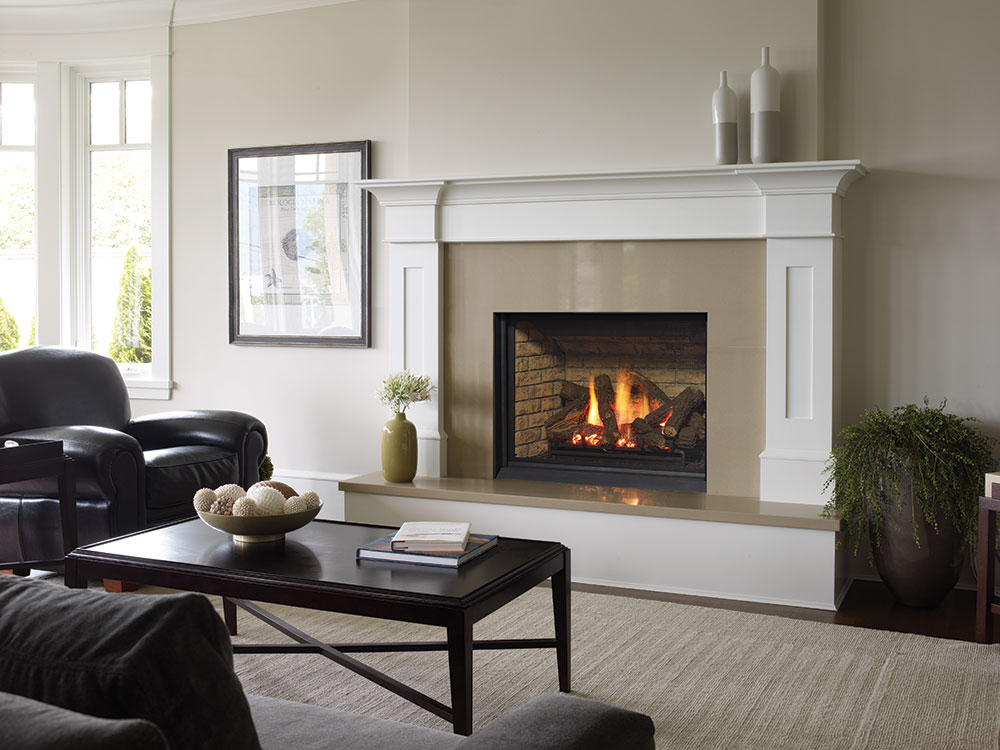
New construction, major remodels, or homes without a chimney point strongly toward a direct vent gas fireplace. You gain complete control over placement, size, and style. Linear fireplaces suit modern spaces and media walls. Traditional models nest under a classic mantel in a dining room or primary suite. The vent route can go out a sidewall, which eliminates roof penetrations in many cases and simplifies waterproofing.
In daylight basements with low ceilings, the ability to run a short, horizontal vent directly outside can make the difference between a reliable appliance and one that trips out during gusting wind. And if you have an open-concept space and want a serious heat source, the larger firebox and stronger fans of many gas fireplaces outperform most inserts.
A final nudge: If you’ve long dreamed of a two-sided or three-sided peninsula unit, that’s a direct vent gas fireplace category. Inserts can’t deliver that architecture.
Sizing the unit for the room you have, not the room you wish you had
Measure the room, note ceiling height, insulation quality, windows, and how the space connects to adjacent areas. As a quick reality check, a moderately insulated 300 square foot room with 8-foot ceilings, average windows, and a typical climate often feels best with a 20,000 to 25,000 BTU appliance. Go up or down based on your winter lows and how open the plan is.
Manufacturers publish heat output in maximum input BTU and in steady-state efficiency. Favor models with efficiency in the 70 to 85 percent range for direct vent designs. This doesn’t equate perfectly to AFUE used in furnaces, but it gives a sense of how much heat stays inside. If the unit will run for ambiance far more than as a heater, prioritize flame quality and glass size over peak BTU. If you plan to offset serious heating, pick a model with a good turn-down ratio. The ability to modulate from, say, 30,000 down to 10,000 BTU prevents a hot-cold ping-pong effect.
The role of professional inspection and service
Before any retrofit, schedule a level II chimney inspection with video. A reputable chimney cleaning service will provide a written report with images and a clear scope of any needed work. This isn’t a sales tactic, it’s step one in a safe installation. Creosote from years of wood burning can hide behind smoke shelves and in offsets. Even though you’re converting to gas, that old debris can restrict air or ignite during an early high-fire test.
For new direct vent projects, a site visit from the installer should include a venting plan sketch, clearance diagrams, and a discussion of termination location. I look for installers who put this on paper and walk me through constraints, not just promise that it will fit. They should also coordinate permits, pressure tests for the gas line, and final sign-off with the local authority.
After installation, plan on annual service. It’s not just cleaning glass. Technicians check manifold pressure, verify the integrity of the vent seals, recalibrate the air shutter if needed for altitude, and adjust the ember bed for clean burn. In my notes, units that receive annual service rarely need emergency calls in winter.
Real-world examples, pitfalls, and small wins
A bungalow client had a mid-century masonry fireplace that smoked on north winds. We installed a mid-size gas fireplace insert with a two-liner kit. During the first cold snap, the room held 70 degrees on low flame while the furnace thermostat stayed at 66. Their gas bill rose by about twelve dollars that month, but the electric bill dropped because the furnace fan ran less. More comfort at a negligible premium.
In a newer build with no chimney, the owner wanted a linear feature under a TV niche. We framed a bump-out to maintain proper clearances, ran a short horizontal vent to the side yard, and added a cool-wall kit to protect the television. The project took five working days, start to finish. Two winters later, the unit still lights every time during wind gusts because the vent route stayed within the manufacturer’s favored geometry. The pre-planning on elbows and length paid off.
A cautionary tale: a homeowner tried to save money by reusing an old gas log set in a drafty masonry fireplace rather than choosing a gas fireplace insert. The chimney had a broken cap and cracked tiles. On cold nights, the downdraft stalled the flame and sent odor into the room. After a level II inspection and a frank conversation, they invested in an insert with liners and a proper termination. The difference was night and day. Sometimes, the cheap path is the most expensive, just stretched over an extra year of frustration.
Costs, incentives, and resale considerations
Prices vary widely by region and brand. As a ballpark:
- Gas fireplace insert: equipment from roughly 2,500 to 4,500 dollars, plus 1,500 to 3,500 for installation, liners, gas, and electrical. Finish work can add more if you update the surround. Direct vent gas fireplace: equipment from roughly 3,000 to 7,000 dollars, plus 3,000 to 8,000 for framing, venting, gas, electrical, drywall, and finish surfaces. Specialty multi-view or large linear units push higher.
Some utilities offer rebates for high-efficiency gas fireplaces or for replacing wood with cleaner burning appliances. Check local programs before you buy. If you’re weighing an electric fireplace insert for budget reasons, remember that while equipment can be cheaper, the feel of radiant heat and the look of real flame belong to gas. For resale, a well-integrated gas fireplace ranks high on buyer wish lists, particularly in colder climates.
How to make the decision with confidence
Start with your structure. If you have a serviceable masonry fireplace and want a quick, less invasive upgrade, a gas fireplace insert likely wins. If you’re building or remodeling, or want flexibility in location and style, a direct vent gas fireplace opens more possibilities.
Use a reputable installer who also understands chimneys. The shops that handle both fireplace installation and chimney inspections under one roof tend to deliver smoother projects. Ask for a venting plan, a load calculation for the gas line, and a clear maintenance schedule. Keep a relationship with a trusted sweep for annual checkups, whether that’s a regional outfit like a west inspection chimney sweep or another qualified company with strong reviews and camera equipment.
Finally, be honest about how you live. If you’ll run the flame while reading every night from October through March, invest in modulating controls, a quiet blower, and a unit sized to the room. If you host holidays and want a showpiece a few times a season, look harder at glass size, face finishes, and interior media. Both gas fireplaces and gas fireplace inserts can deliver warmth and a focal point. The better choice is the one that fits your house, your habits, and your tolerance for construction.
With the right plan and the right team, you’ll light it once, settle into your chair, and forget there was ever a question.