Electric fireplace inserts have matured from simple space heaters with orange bulbs into serious design pieces that anchor a room. The best models in 2026 deliver convincing flame effects, quiet and efficient heat, and thoughtful integrations that make them easy to live with year round. If you are weighing an electric fireplace insert against a gas fireplace insert, or trying to retrofit a drafty masonry firebox without the headaches of venting and fuel lines, the feature set matters more than the marketing photos.
I install and service fireplace inserts alongside teams who also handle chimney inspections and traditional fireplace installation. I have seen what works long term, the common regrets, and the small details that separate the models people love from the ones they tolerate. Below is a practical guide, built from jobsite notes and homeowner feedback, on what to prioritize in 2026.
First, get the category right
Electric fireplace inserts fit two broad scenarios. Some are designed to slide into an existing wood-burning firebox, others build into a wall cavity or media console. Both are “inserts,” but the measurements and ergonomics differ. If you have a full masonry hearth and used to burn wood, an insert meant for retrofit will save you finish work and hide gaps with a surround trim. If you are building a modern feature wall with tile and a TV above, a linear built-in with side heat discharge and a front glass trim makes more sense.
Electric units do not require venting, so you avoid flue liners and the recurring chimney cleaning service schedule that gas fireplaces and wood units demand. You still want a safe electrical run, a dedicated circuit for higher wattage models, and clearance planning for mantels and wall finishes. If a previous homeowner left a plugged chimney flue from a demolished gas log set, have a qualified pro complete a quick inspection before closing up the opening. It takes ten minutes to confirm there are no live gas lines hiding in the back of the firebox.
Flames that pass the five-foot test
The realism of the flame effect is what sells the unit in showrooms, but bright lighting can hide flaws. At home, the flame should hold up from five or six feet away while you are seated on a sofa. The best 2026 models combine LED projection, multi-layered ember beds, and a light engine with variable speed. You want separate control of flame height, speed, and color temperature. Warm white and amber matter most. The RGB party colors are fun for a week, then rarely used.
Look for multi-plane flame effects that project both behind and in front of the logs or glass media. Older units had a single flame layer that looked flat, especially during daylight. Newer inserts use two or three reflective surfaces and staggered light sources to create depth. This gives you a flame that still reads as flame even with blinds open.
On jobs where homeowners place a TV 12 to 20 inches above the insert, glare becomes an issue. Matte anti-reflective front glass and adjustable brightness keep the flame visible without washing the screen. The better units let you step down the flame brightness in small increments. I prefer models with at least ten brightness steps. Coarse steps force you to pick between too dim and too bright.
Silent or nearly silent heating
Most buyers underestimate fan noise until the first quiet evening at home. Every electric fireplace insert uses a fan to move heated air. If the fan drones, you will notice it during a movie. Manufacturers report decibel levels under ideal conditions, so take the numbers as relative data, not gospel. In practice, a high quality unit on medium heat should sound like a refrigerator at a distance of eight feet. On low, you should forget it is running.
Variable-speed blowers with soft start and soft stop feel more premium, because you do not hear a sudden click and whoosh. Some inserts now use brushless DC fans, which are quieter and last longer. If you cannot audition a unit in person, read for clues like “inverter fan,” “EC motor,” or “brushless blower.” Those keywords correlate with better sound and efficiency.
On outputs, most standard-width inserts top out around 4,600 to 5,100 BTU equivalent on a 120-volt circuit, which is enough to add comfort to a 400 to 500 square foot room but not enough to heat a whole floor in a cold climate. A few 240-volt models double that, crossing into 8,000 to 10,000 BTU territory. If you are building or remodeling, consider a 240-volt line during rough-in. The extra heat capacity makes a noticeable difference in taller rooms or older homes with leaky envelopes.
Heat where you want it, not under the TV
The rise of wall-mounted TVs above the fireplace forced electric insert designers to rethink air discharge. Front heat only works if it does not cook your electronics. In 2026, you will see more units with bottom front discharge that throws heat horizontally across the room instead of straight up. Others offer side discharge through trim kits that push air left and right. Both reduce heat wash onto a TV.
Pay attention to mantle and TV clearance charts in the installation manual. The better brands publish clear diagrams and test to tighter tolerances. If your design forces a smaller separation than recommended, step up to a unit with side discharge or a deflector accessory. I have also used a narrow steel deflector strip painted to match dark trim to push air forward; it disappears visually and keeps TV temps in check.
Smarter control that stays out of your way
Remote controls used to be an afterthought. Now they are integral. Seek a remote with discrete buttons for flame, ember, heat level, and timer, not a single cycling button that forces you to step through everything. Backlighting is a plus in low light.
Wi‑Fi control splits buyers. Some love the app integration and voice control, others never use it again. If you want smart home integration, check for native compatibility with platforms like Alexa, Google Home, or Apple Home. A well-designed app should offer scheduling, temperature setpoints, and child lock. Avoid proprietary hubs if possible, since those tend to get abandoned after a few years.
A physical on-unit control panel still matters. Look for a clean, flush panel with capacitive touch that can be dimmed or blacked out during use. I have seen homeowners tape over bright indicator LEDs. That is avoidable with a proper night mode.
Thermostat intelligence that feels natural
A basic thermostat turns the heater on and off around a set temperature, but the experience can be choppy if the sensor sits inside the hot cavity of the unit. Better models place a remote temperature sensor in the handheld remote or offer an external sensor puck. This allows more accurate room readings and smoother cycling. If you take your remote to the sofa, the heater aims for the temperature where you are sitting, not inside the wall.
Look for a minimum cycle time or adaptive algorithm that avoids frequent on-off swings. Some units also offer open-window detection, which reduces output if room temperature drops rapidly. It is a small touch, but on windy nights in drafty homes it prevents the fan from blasting endlessly.
Ember beds, logs, and media that do not look plastic
Media kits matter more than people expect. Cheap clear glass media can look like aquarium gravel under bright LEDs. If your style leans contemporary, smoked or bronze glass media looks more refined. For traditional rooms, hand-painted ceramic logs and charred ember sets have improved dramatically. The best sets have multi-tone coloring, real ash texture, and split-wood patterns that throw complex shadows when lit.
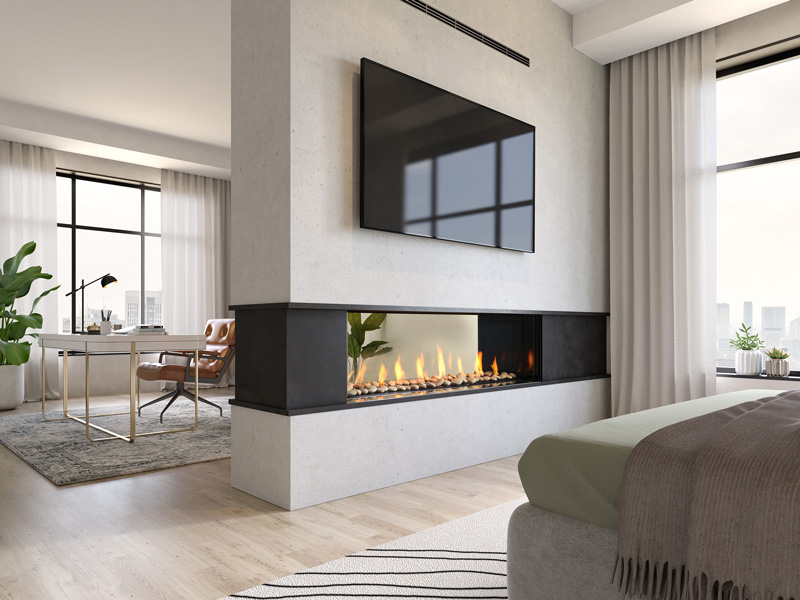
In a retrofit of an old brick fireplace, I like a thick ember bed with glowing fiber and a few charred driftwood pieces. It hides the lower cavity and creates believable depth. In a sleek condo, a single line of river stones or black crushed glass can echo the minimal aesthetic of a gas fireplace without copying it.
Glass that stays clear and cool enough to touch
Electric inserts do not burn fuel, so there is no soot. You still get fingerprints, dust, and the occasional haze from indoor cooking. A removable front glass panel with a simple latch system is worth its weight when you clean. Some brands offer a low-reflection coating that tames glare during the day. It costs more, but in rooms with big windows it keeps the flame visible.
Surface temperature is another selling point for families. Electric inserts run cooler to the touch than gas fireplaces. The glass can still get warm during extended heat operation, but you are unlikely to see the 300-plus degree glass temperatures common with gas. That difference gives parents peace of mind and makes electric a natural choice for playrooms and bedrooms.
Depth and framing flexibility
Your existing firebox depth or wall framing dictates what will fit. Measure the back width, front width, height, and depth, then measure again. Many retrofit inserts include a surround trim in several sizes to cover gaps. I favor units that offer customizable trim kits, since older masonry openings rarely match standard sizes. For new builds, pay attention to cavity depth and stud placement. You want enough space for the unit, wiring, and any media niche above.
Some linear units allow partially recessed or fully recessed installation. Partially recessed models protrude an inch or two, which can create a shadow line and add interest without the expense of framing deeper into a structural wall.
Installation details that keep you out of trouble
Most electric fireplace inserts plug into a standard 120-volt outlet. That is not an invitation to use a cheap extension cord. A dedicated circuit prevents nuisance breaker trips when you run the heater, especially in older houses where outlets share circuits with lamps and media equipment. If you are planning a high-output 240-volt model, coordinate with an electrician during framing to pull the right gauge wire and install a nearby disconnect.
If you are inserting into an existing masonry fireplace, cap or seal the chimney at the top to keep rain and debris out of the unused flue. Even if you are not burning anything, a neglected open flue invites moisture and odor. A quick visit from a west inspection chimney sweep or similar local pro can confirm the flue is fully decommissioned, the damper is propped or sealed, and no animals have made a home above the smoke shelf. It is a modest cost that pays dividends.
I also check for airflow paths inside the cavity. Electric inserts need intake air for the heater and electronics. Do not pack insulation tight to the unit unless the manual allows it. Maintain the clearances and leave service space for the fan and control board. I have seen beautiful tile work cut apart two years later because no one left room to pull the unit for maintenance.
Energy use and what it means for your bill
With the heater off, flame effects draw little power, often 15 to 60 watts depending on brightness and size. With heat on high, a 120-volt unit pulls around 1,400 to 1,500 watts. If you run heat for three hours in the evening at an average electricity rate of 15 cents per kWh, you are looking at roughly 65 cents per night. Over a month of daily use, call it 20 dollars. A 240-volt unit will cost more in proportion to its higher output, though you typically run it at a lower setting to maintain comfort.
Compared to gas fireplaces, electric inserts avoid fuel line charges and annual safety checks, though gas can be cheaper per BTU in some regions. In mixed-climate shoulder seasons, electric excels. You get zone heat for the room you are https://anotepad.com/notes/bwhtadwy in without firing the central furnace. In very cold climates, electric becomes supplemental. It can take the edge off a basement TV room, not replace a primary heat source.
Safety features that should be nonnegotiable
Look for overheat protection and a tip-over sensor on smaller freestanding models. Inserts should include thermal cutoffs that shut the heater down if vents are blocked. A child lock on the remote and control panel deters curious fingers. Cool-touch vent designs are better than bare metal grilles, especially at knee height. If the unit advertises “overheat alarm,” test it by covering the intake briefly during setup to confirm it responds.
Cord management matters. A black cord running across a hearth looks unfinished and invites trips. Plan a recessed outlet inside the fireplace cavity or a floor outlet in a new build. Where that is not possible, use low-profile cable covers painted to match the surround.
Warranty and parts support, the quiet differentiator
A three-year comprehensive warranty is the current bar for higher-end models. Some brands split the coverage, offering two years on electronics and five on the firebox. Read what counts as a consumable. LED light engines should last a decade or more, but fans are moving parts that can fail. If a brand cannot supply a replacement fan or control board within a reasonable window, you essentially own a disposable appliance.
Ask your retailer or installer about parts lead times. The answer tells you a lot. We keep a small stock of common parts for the brands we install most, precisely because people want quick fixes in winter. If you are shopping online, check that the manufacturer hosts manuals and exploded parts diagrams on their website. That is a small signal of long-term support.
When electric beats gas, and when it does not
I work with homeowners who go back and forth between a gas fireplace insert and an electric fireplace insert. Each has a place. Electric wins when you want low-maintenance ambiance, no venting, flexible placement, and cool-touch glass. It shines in condos, bedrooms, and media walls where clearance issues make gas tricky. It also saves you from recurring chimney inspections and the occasional chimney cleaning service after storms drop debris.
Gas fireplaces still offer higher heat output, a real flame, and that instant response on a winter morning. If your home already has a gas line, and you value heat as much as looks, a gas fireplace or gas fireplace insert might be the better match. Remember that gas requires venting, either through a chimney liner or direct-vent termination, and you will want a professional fireplace installation. Any time gas is involved, schedule regular safety checks. A quick flue check each year prevents unpleasant surprises.
Design integration that ages well
Trends come and go. A few principles hold. Center the insert at a natural eye level for seated viewing. If a TV goes above, maintain the manufacturer’s heat clearances and give your neck a break by keeping the TV as low as practical. Use materials that can handle gentle radiant heat: stone, porcelain tile, limewash plaster, or heat-rated paint. Avoid bulky faux beams close to the opening unless the unit supports low clearances and you are strict about heat settings.
Plan wire paths early. If you want sconces, soundbars, or hidden consoles, run conduit during framing. I prefer a shallow niche or ledge rather than mounting a TV directly on the same plane as a flush insert; the slight offset reduces glare and heat exposure.
What 2026 added that is worth paying for
Several incremental improvements landed in the last couple of product cycles.
- Multi-layer flames with independent color temperature control: This brings the light quality closer to real fire and lets you tune for daytime or evening. Smarter thermostats with remote sensors: They keep the room comfortable without hunting and pecking at settings. Quieter, longer-life fans: Brushless designs reduce hum and extend service intervals. Side and bottom heat discharge options: They open up TV-over-fireplace layouts without cooking electronics. App control that does not feel like homework: When done right, you set scenes once and mostly forget about it.
None of these features make or break a purchase alone. Together they add up to a unit you will actually use on weeknights, not just during holidays.
A simple pre-purchase field checklist
- Measure the opening in three dimensions, front and back, and note any taper. Map electrical: confirm circuit capacity, outlet location, and whether 120 or 240 volts makes sense. Confirm heat management: discharge direction, mantle and TV clearances, and any deflectors you plan to use. Test or research sound levels: user reviews often mention fan noise more honestly than spec sheets. Verify service: warranty length, parts availability, and access for future removal without damaging finishes.
If you handle these basics, installation day goes smoothly and you avoid the two classic mistakes: a beautiful surround that forces the insert to run too hot to keep a TV safe, and a great looking unit that hums loud enough to ruin a quiet room.
Maintenance you actually need
One of the attractions of electric fireplace inserts is the minimal upkeep. Dust the intake and exhaust grilles every few months, wipe the glass with a microfiber cloth and a non-ammonia cleaner, and vacuum the cavity if you live with shedding pets. After a few years, a fan may need lubrication or replacement. Plan for a quick service visit instead of waiting for a midwinter failure. You do not need annual chimney inspections for an electric insert, but if the insert sits in an old masonry fireplace, keep the flue capped and the crown sealed to avoid water intrusion. A brief check every couple of years by a local pro can catch deteriorating mortar or flashing before it stains your surround.
Price, value, and the sweet spot
In 2026, the sweet spot for a well-built electric fireplace insert sits around the mid to upper hundreds on sale for smaller units and low to mid thousands for larger linear models, depending on trim and features. Budget units can look fine in photos but often give up fan quality, flame depth, and service support. Ultra-premium models deliver great glass, silence, and flexible installation, but be sure the upgrade is something you will notice from the sofa, not just in the spec sheet.
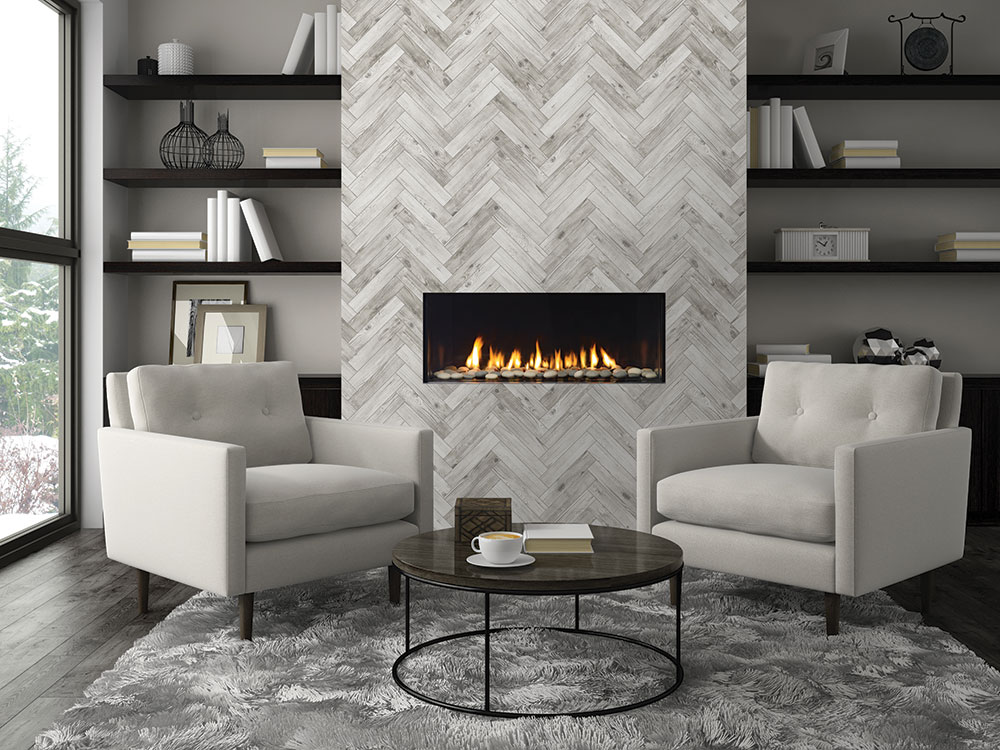
Spend on the things you will see and hear daily: flame quality, noise, heat direction, and control ergonomics. Save on extras you will rarely use, like exotic media kits or a dozen novelty colors. If your layout requires special heat management due to a low mantel or an adjacent built-in, reroute budget to a model with proven side discharge or robust clearances. Better to buy the right engine with a standard trim than the other way around.
Where professionals still earn their keep
Even with electric, there is a lot to gain from a well-executed install. A seasoned installer knows how to center a unit visually in an imperfect masonry opening, how to shim for silent operation, and how to hide cords and seams. If you are converting a wood-burning fireplace, a chimney pro can seal the flue and damper correctly, keeping your home dry and odor free. We have stepped into more than one job where an unsealed flue turned a pristine insert into a dehumidifier for the outdoors. A brief site visit by a west inspection chimney sweep or equivalent local specialist can prevent that headache.
If you are comparing options across electric fireplace inserts and gas fireplaces, bring in a contractor who handles both. The upfront cost and long-term service realities differ. A responsible pro will ask how you use the room, what your utility costs look like, and whether you want ambiance most nights or serious heat in winter. That conversation usually leads to the right choice, not just the easiest install.
The bottom line
Electric fireplace inserts have reached a point where you can design a realistic, quiet, and low-maintenance centerpiece without worrying about venting or fuel. The top features to seek in 2026 focus on lived experience: layered flames with natural color, quiet and directed heat that plays well with a TV, intelligent thermostats with remote sensing, and solid, accessible construction backed by real parts support. Give equal attention to the unglamorous details like electrical planning, clearances, and flue sealing in old fireboxes. Do that, and the result is a fireplace you will run in July for the look and in January for the comfort, with no soot on the glass and no annual chimney cleaning service on your calendar.